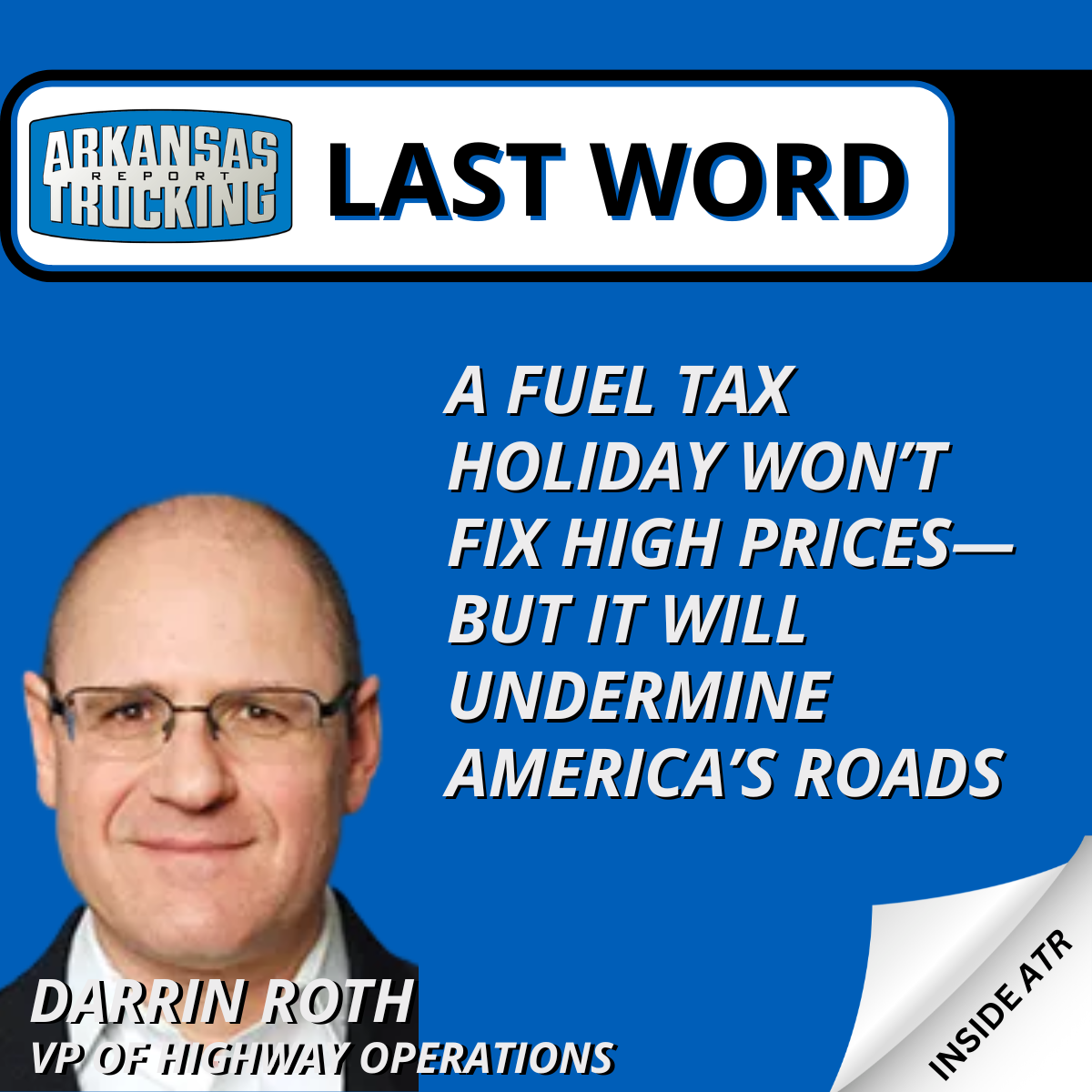
With fuel prices straining household budgets, calls to suspend the federal fuel tax may sound like a quick and easy solution. In Congress, two proposals—the Gas Tax Suspension Act and the Gas Prices Relief Act—aim to provide temporary relief by pausing federal fuel taxes for up to 90 days or through October, respectively. But while politically
attractive, these measures would deliver little real savings to consumers while putting critical transportation funding at risk.
Start with the basic math. The federal gas tax is 18.4 cents per gallon—just about 4% of the retail price as of late May. Even if the tax were fully eliminated, it would barely move the needle. In reality, it would move it even less: because the tax is applied at the wholesale level, price adjustments filter unevenly through the supply chain. Studies show that only roughly 18% of a tax change is reflected at the pump. That means consumers might see only pennies in savings—if they see any at all.
Put another way, the average driver purchased about 460 gallons of fuel last year. Each penny reduction in the gas
tax translates to roughly eight cents a week in savings. That is not meaningful relief for families grappling with inflation.
And proposals that “require” savings to be passed on to consumers are difficult to enforce in a volatile global energy market where prices shift daily.
Meanwhile, the cost of suspending the tax is anything but small. Extending a federal fuel tax holiday through November would drain about $20 billion from the Highway Trust Fund—the backbone of federal transportation investment. That’s money used to maintain roads, repair bridges, and fund safety improvements that Americans rely on every day.
States experimenting with fuel tax holidays offer a cautionary tale. Kentucky, Indiana, Georgia, and Utah have all moved to partially or fully suspend their fuel taxes—but only by backfilling the lost revenue with general funds. That’s a stopgap, not a solution. At the federal level, replacing roughly $2.3 to $3.2 billion in monthly revenue would require either increased borrowing or diverting resources from other priorities.
More concerning, these policies threaten the stability of long-term infrastructure planning. Fuel taxes are the primary user fee supporting highway investment. Removing that revenue—even temporarily—creates uncertainty for state and local agencies already grappling with rising construction costs driven by inflation in materials and labor. Projects could be delayed, scaled back, or canceled altogether.
There are also financial ripple effects. Many states rely on fuel tax revenues to service debt for transportation bonds. A disruption in that revenue stream—even if temporary—can jeopardize credit ratings and increase borrowing costs, ultimately making infrastructure investments more expensive for taxpayers.
In short, a federal gas tax holiday is a classic case of symbolic policy over substantive impact. It promises relief but delivers very little, while risking the long-term health of the nation’s transportation system.
If policymakers are serious about helping Americans, they should focus on solutions that address the root causes of high energy prices and strengthen supply chains—not undermine the very infrastructure that keeps the economy moving.