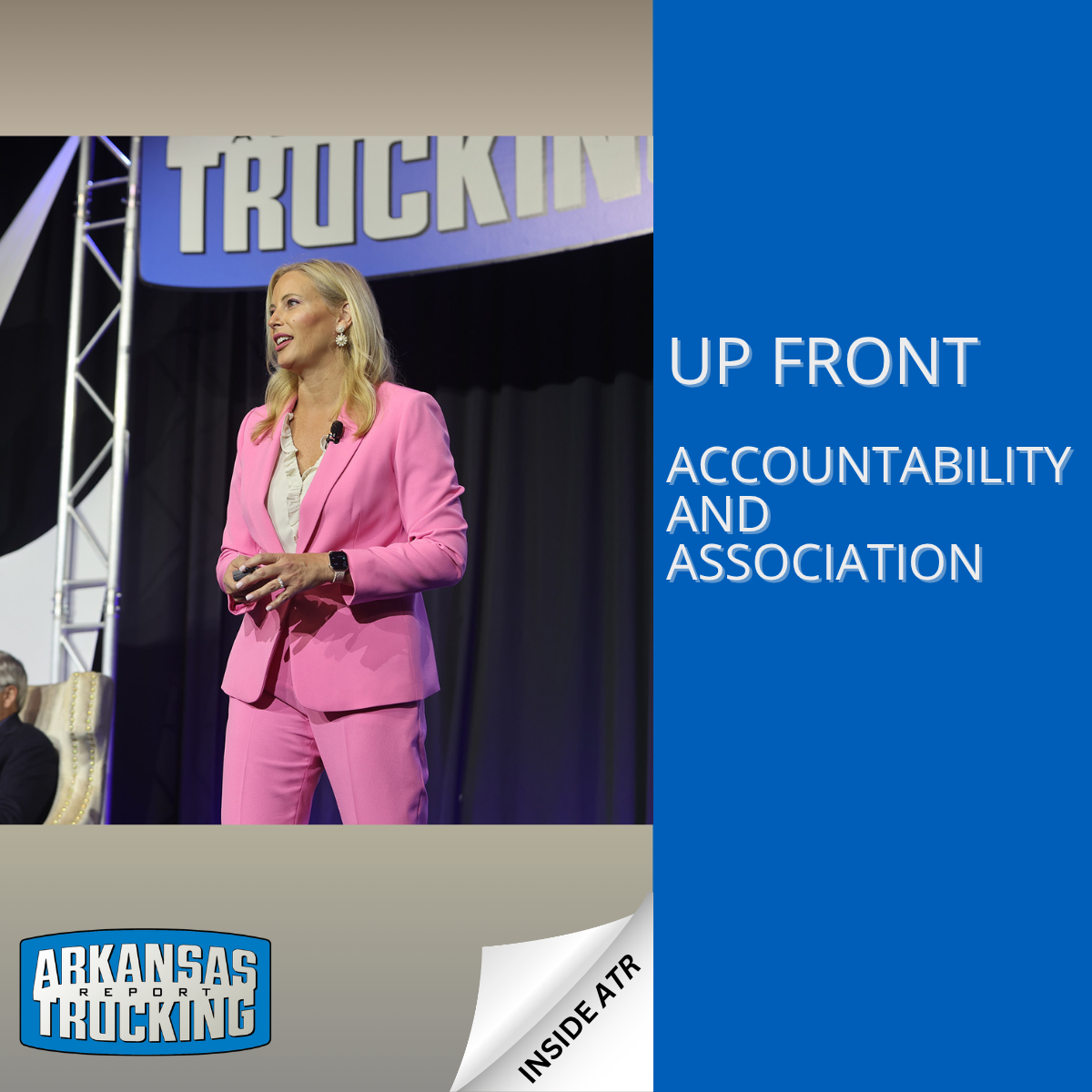
Shannon Newton
President, ATA
Last month my son graduated from high school. Just days later, he embarked on what has become something of a modern rite of passage: an unchaperoned trip to Panama City Beach with six of his friends. Before he left, he received the same lecture that generations of teenagers have heard.
We told him that we trusted him. We were confident in the values and judgment that had guided him through high school. But we also reminded him of a reality he was about to encounter as an adult: sometimes your future is affected not only by your own decisions, but by the decisions of the people you choose to surround yourself with.
The company you keep matters.
That conversation took place less than 48 hours after the Supreme Court’s recent decision in Montgomery v. Caribe Transport II came down.
Increasingly, courts are asking not only whether a company followed the rules itself, but whether it exercised reasonable care in choosing the partners with whom it does business.
The trucking industry largely welcomes this outcome. Responsible carriers have long argued that safety should matter in every decision throughout the supply chain. Some participants have been prioritizing price above all else, rewarding operators willing to cut corners while responsible companies investing heavily in compliance, training, equipment, and safety technology can’t cover their costs.
If Montgomery encourages greater scrutiny in carrier selection, the industry will receive that as a positive development. Trucking has never been opposed to accountability. In fact, ours is one of the few industries that routinely asks enforcement agencies to do more.
At the same time, accountability should not be confused with unlimited liability.
My son is responsible for his own actions. His friends are responsible for theirs. While he should exercise judgment in choosing who he spends time with, there is still an important distinction between association and direct control.
Perhaps that distinction is worth remembering as the decision is celebrated in some corners. Montgomery has been welcomed not only by safety advocates and responsible carriers, but also by members of the plaintiffs’ bar who view it as a significant expansion of potential litigation targets. That reality does not invalidate the ruling, but it should prompt consideration of whether future interpretations advance safety or simply expand legal exposure.
The ultimate measure of success should not be the number of lawsuits filed. It should be whether our policies and legal standards produce safer highways, stronger compliance, and fewer opportunities for bad actors to operate.
The conversation surrounding Montgomery will continue for years. I am happy to report that my son and his friends all returned home safely, though sunburned. Regardless of how the legal landscape evolves, one principle should remain constant: highway safety is best served when every participant in the supply chain exercises diligence, is held accountable for the responsibilities they actually control, and is rewarded for doing things the right way.